
Choosing an electric blanket supplier is easy until similar samples arrive with very different prices. I look beyond the fabric to understand what each factory offers.
Five Chinese electric blanket manufacturers worth comparing are HOWDY, Chengdu Rainbow, Qingdao Qindao, Shijiazhuang Wangfeng, and Zhejiang Lmeng. This is a sourcing shortlist, not an audited industry ranking. The right choice depends on product quality, model-specific safety documentation, production capacity, and the support your brand needs.
Here is how I would compare these companies before committing to samples, development fees, or a production order.
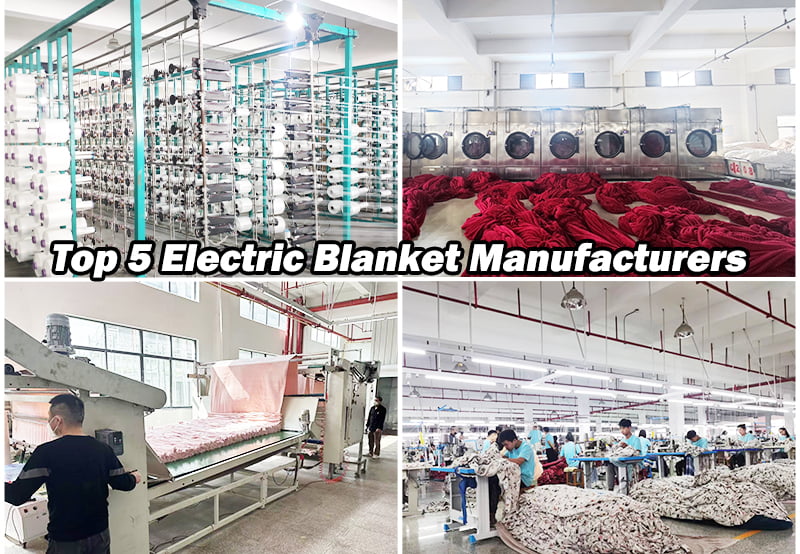
Top 5 Electric Blanket Manufacturers in China: Company Profiles and Production Capabilities
A familiar company name can start your search. I would still ask how its production setup fits your particular product and order.
HOWDY offers OEM and ODM support with in-house controller development. Rainbow publishes substantial electric blanket production figures. Qindao has a long history in heated products. Wangfeng advertises electric blanket and heating pad OEM services, while Lmeng produces several types of flexible heating products. Confirm current capacity and project terms directly.
1. HOWDY
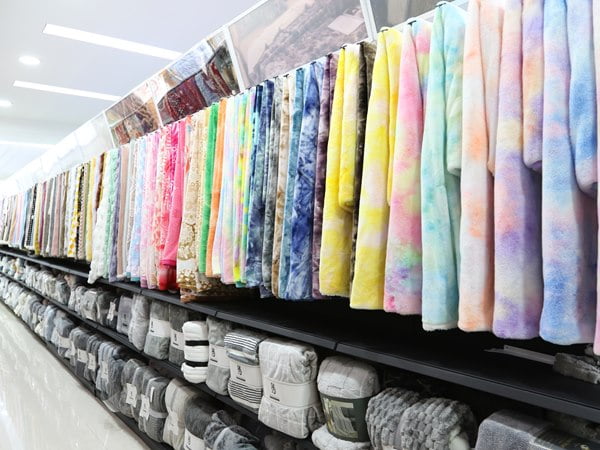
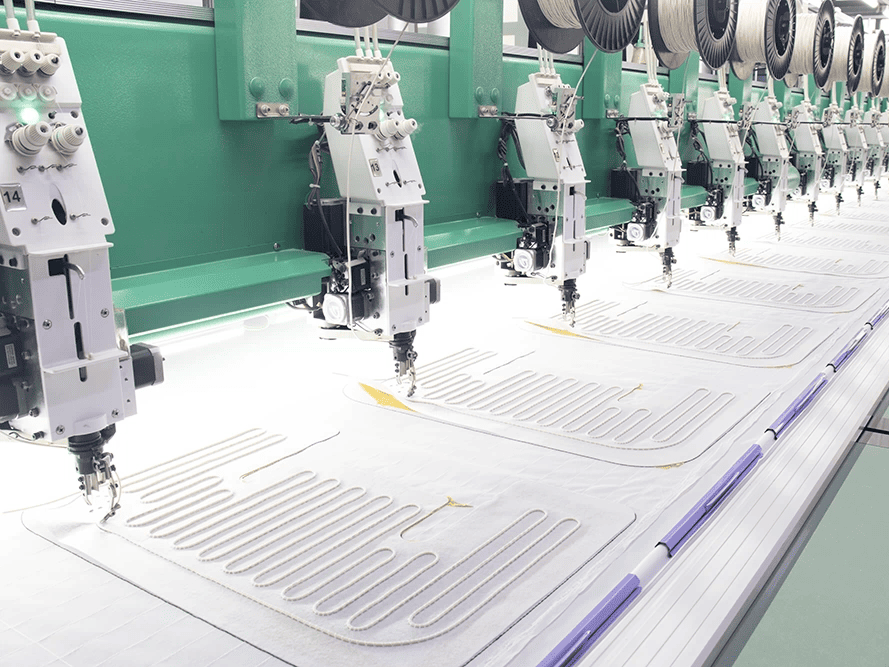
At HOWDY, we have worked in manufacturing since 2006. Our factory covers 25,000 m², and our team includes approximately 240 people.
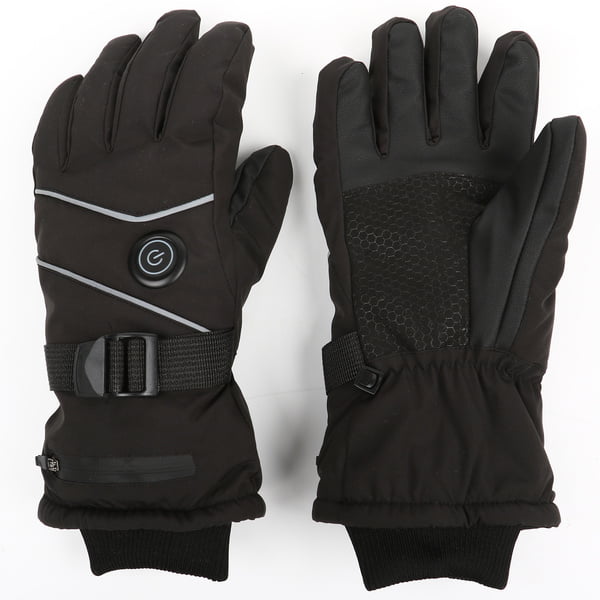
We produce electric blankets, ordinary blankets, heated gloves, electric hot water bottles, and heated cushions. Our customers include trading companies, brand owners, and wholesalers.
For a private-label buyer, I would highlight our supply chain capabilities, material sourcing, and in-house controller development. These give us several parts of the product to discuss when planning a custom range.
Factory size alone does not tell you when your order will ship. I recommend discussing the exact model, quantity, and delivery window alongside your electric blanket OEM requirements.
2. Chengdu Rainbow
Chengdu Rainbow Appliances Group is an established Chinese manufacturer of electric heating products. Its official company profile reports annual electric blanket production and sales exceeding 6.5 million units.
Its published range includes single and double electric blankets, dual-control designs, and products with separate heating zones.
That published scale makes Rainbow worth investigating for buyers assessing manufacturing depth. I would still confirm whether its available export models, branding arrangements, and order requirements fit the project. Group-wide output is not the same as available capacity for your order.
3. Qingdao Qindao
Qingdao Qindao traces its heated-product business to 1982. Its official website lists electric blankets, heating pads, and related warming products, and describes exports to more than 30 countries and regions.
I would include Qindao when comparing suppliers with an established heated-product range and international sales experience.
My next question would concern the specific model: which controller, electrical configuration, and supporting documents will accompany the sample?
4. Shijiazhuang Wangfeng
Shijiazhuang Wangfeng presents itself as an electric blanket manufacturer and heating pad OEM supplier. Its website also lists heated throws and spare parts.
That range makes it relevant when comparing suppliers for several related warming products.
I would ask which processes are handled internally, how production changes are approved, and what happens if a controller or fabric needs replacing during a repeat order.
5. Zhejiang Lmeng
Zhejiang Lmeng, also known as 绿萌, states that it was established in 2010. Its official website lists electric blankets, heating pads, pet heating pads, and heated shoulder wraps.
The product range makes it another useful candidate for buyers exploring flexible heating products.
Before shortlisting it for a particular market, I would request model details, current production information, export support, and a written quotation.
These five companies offer different starting points. I would send each the same product brief, then compare their answers rather than their website claims alone.
How to Compare Electric Blanket Manufacturers: Quality, Safety and Certifications
A soft sample gets attention. I care just as much about the controller, the heating system, and the evidence behind the finished product.
Compare manufacturers using an agreed product specification, representative samples, model-matched compliance documents, and a clear inspection plan. Check fabric quality, heating performance, controller operation, and production traceability. A certificate logo or general company claim cannot establish that your exact blanket configuration meets your market’s requirements.
Start with a clear definition of quality
When a buyer says, “I want good quality,” I understand the intention. But a factory needs something more specific.
Does quality mean a heavier fabric? A controller that is easier to read? Consistent stitching? Clear care instructions? All of these can matter, but they need separate checks.
I would create a product quality checklist before comparing samples.
| Area | What I would review | Why it matters |
|---|---|---|
| Fabric | Composition, weight, feel, shedding, and colour consistency | Helps keep repeat orders consistent |
| Construction | Stitching, edging, dimensions, and connector placement | Affects finish and everyday handling |
| Heating system | Performance against the agreed specification | Checks whether the product behaves as promised |
| Controller | Buttons, display, settings, and instructions | Shapes the customer’s daily experience |
| Traceability | Model references and batch identification | Helps investigate problems after delivery |
I would have electrical safety and abnormal-use testing reviewed by a qualified laboratory. These are not checks to improvise at a purchasing desk.
Match documents to the product
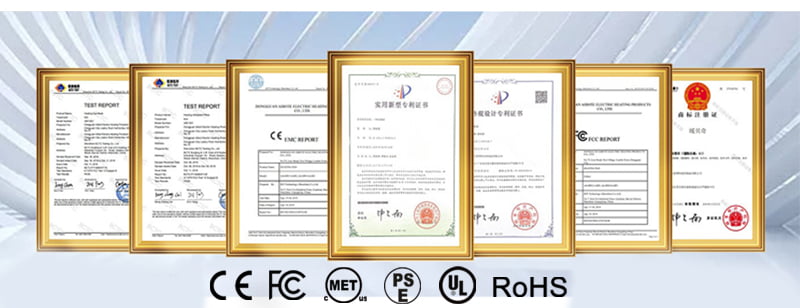
For EU sales, the European Commission explains that the manufacturer is responsible for conformity assessment, technical documentation, the EU Declaration of Conformity, and CE marking.
That means I would ask for the relevant paperwork and check the model details. A CE logo in a catalogue is only the beginning of the conversation.
For Great Britain, current government guidance recognises CE marking alongside UKCA for covered electrical equipment. I would confirm the applicable route for the product and destination rather than assume UKCA is always the only option. Northern Ireland needs separate consideration.
If a supplier claims UL certification, I would check the relevant listing through UL Product iQ. A test report should not be treated as interchangeable with a certification listing.
Connect the sample to production
Imagine approving a blanket with one controller, then receiving a shipment with a different version. Even if the appearance is similar, you now have a specification problem.
I would agree on an approved sample, record the key components, and require written approval for changes. Those simple steps make quality expectations much easier to enforce.
Electric Blanket Pricing in China: MOQ, OEM Costs and Long-Term Value
The lowest quote can be tempting. I first check whether every supplier has priced the same blanket, packaging, and project requirements.
Electric blanket pricing depends on dimensions, fabric, heating components, controllers, order quantity, packaging, and testing requirements. MOQ also varies by model and customisation level. Request comparable written quotes that separate unit prices from development costs, then assess freight, inspections, inventory exposure, and after-sales costs before deciding.
Compare the same specification
I would not give you a single “China factory price” without knowing the product. A small heated throw and a large dual-control blanket are different projects.
Even two blankets with matching photographs may use different fabric weights, controllers, connectors, or packaging.
My first step would be a shared quotation brief. It should include the intended market, dimensions, fabric details, electrical requirements, controls, quantity, packaging, and delivery terms.
That gives each supplier the same problem to solve.
Ask what the MOQ actually covers
MOQ means minimum order quantity. The important question is whether that minimum applies to the whole order, each model, each colour, or each packaging design.
An existing product with a new label may involve fewer changes than a new controller and custom fabric. I would ask suppliers to explain those differences rather than compare headline MOQs alone.
For an early-stage brand, I would also ask what can remain standard during the first order. A smaller range can make stock easier to manage while you learn which designs customers prefer.
| Cost item | Question to include in the quotation |
|---|---|
| Product price | Which exact components and specifications are included? |
| Development | Are samples, tooling, or controller changes charged separately? |
| Testing | Which reports or additional assessments are included? |
| Packaging | Does the price include artwork setup, labels, and retail boxes? |
| Delivery | Which shipping terms, named location, and charges apply? |
| Repeat orders | What could change the price or lead time? |
Think beyond the first invoice
Here is a simple hypothetical example. Saving $0.50 on 2,000 blankets reduces the purchase price by $1,000. If the cheaper option later creates additional returns, replacements, or support work, that saving may disappear.
This is not a claim that a higher price guarantees better quality. I want evidence for the extra cost.
I would compare the total sourcing cost, including inspections, freight, storage, and agreed after-sales support. A useful quotation makes those costs easier to see before the order is placed.
Why Choose HOWDY for Electric Blanket OEM and Private Label Projects?
If I were building a blanket brand, I would want a supplier who could discuss the product behind the logo.
HOWDY supports electric blanket OEM and ODM projects through manufacturing experience, material sourcing, and in-house controller development. Founded in 2006, we operate a 25,000 m² factory with approximately 240 employees. We welcome all OEM and ODM orders and discuss each project around its market, specification, branding needs, and budget.
Product development involves more than a label
Putting your name on a box is one part of private labelling. I would also ask what your customers should notice when they open that box.
Perhaps they want a softer fabric, a simpler controller, or a colour that fits the rest of your bedding range. The useful difference does not always have to be complicated.
At HOWDY, our product range and material sourcing capabilities give us a starting point for those discussions. Some of our products have design patents, although patent coverage must be checked for the specific design and market.
We develop controllers in-house
The controller is the part of an electric blanket that customers interact with repeatedly. Its layout, settings, and instructions deserve careful thought.
Our in-house controller development capability lets us discuss this part of a project alongside the blanket itself. Any proposed changes still need technical review and the appropriate testing.
I would rather agree on a clear, workable specification than promise features before reviewing them.
We work with B2B buyers
We support trading companies, brand owners, and wholesalers. Our export markets include the United Kingdom, Denmark, Finland, Iceland, the United States, Canada, and Japan.
That business focus matters when the discussion moves from one sample to repeat orders, branded packaging, and a coordinated product range.
Our company information includes FCC documentation, UL test reports, and documentation relating to PSE, CE, and UKCA for applicable products. I would confirm the available documents against your selected model and destination market.
Bring us a clear project brief
We welcome all OEM and ODM orders. To begin, share your intended market, product type, target quantity, preferred materials, budget, and delivery needs.
We can then discuss sizes, colours, heating specifications, controllers, packaging, and private-label requirements as part of your OEM and ODM project.
You do not need every detail settled before contacting us. A clear picture of your customers and price position is a useful place to start.
Conclusion
I would choose the supplier that proves its quality, explains its costs, and supports the product my customers need.