
Electric blankets can look almost the same on a quotation sheet, but their prices can still be very different. This creates confusion, slows supplier comparison, and may lead buyers to focus only on size, wattage, and heat settings. In my experience, the better solution is to compare the hidden cost structure behind the product.
Electric blankets with similar visible specifications have different prices because buyers are paying for more than size, power, and heat levels. The final cost may include fabric grade, heating wire quality, controller design, safety protection, certification scope, testing, packaging, inspection level, documentation, and long-term purchasing risk.1
I have joined many inquiry and quotation discussions for traders, brand owners, and wholesalers. A common question is simple: “Why is this supplier more expensive when the specification looks the same?” The answer is usually not one single item. It is the full purchasing risk behind the quotation.
Why Are Electric Blankets Not Fully Explained by a Specification Sheet?
A specification sheet is useful, but it can also be incomplete. Buyers may see the same size, wattage, plug type, and heat levels, then assume the products are equal. This assumption can create price pressure, wrong supplier selection, and later quality problems.
A specification sheet does not show the full cost map of electric blankets. Two products may share the same visible data but differ in fabric weight, heating wire structure, controller quality, safety protection, testing scope, packaging strength, inspection standard, and compliance documents.2
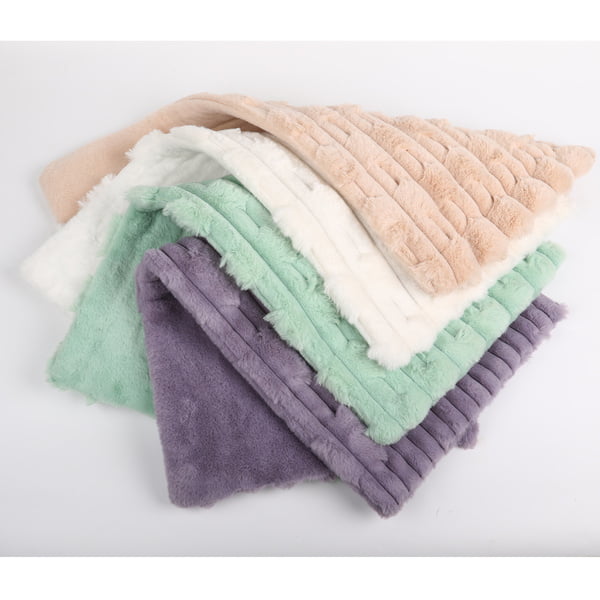
Visible Specifications Are Only the First Layer
When I review buyer inquiries, I often see a table like this:
| Visible Item | Example Description | Why It Is Not Enough |
|---|---|---|
| Size | 150 x 80 cm | It does not show fabric weight or cutting tolerance |
| Power | 60W | It does not show heating stability or wire quality |
| Heat levels | 3 levels | It does not show controller design or component grade |
| Timer | 3 hours | It does not show reliability or protection logic |
| Plug | EU, UK, US, JP | It does not prove full market compliance |
| Fabric | Flannel or fleece | It does not show density, hand feel, or durability |
This is why I never suggest comparing electric blankets only by the first page of a quotation. The sheet may be true, but it may not be complete.
Hidden Choices Can Change the Real Cost
Several cost items are usually hidden behind short words:
- Fabric type and fabric weight
- Heating wire material and structure
- Controller circuit design
- Temperature sensor position
- Overheat protection3 method
- Connector and plug component quality
- Sewing process and edge finishing
- Inner packaging and carton strength
- Inspection level before shipment
- Certification and document scope
For example, two blankets may both use “soft flannel.” One may use a heavier fabric with better touch and stronger sewing. Another may use a lighter fabric to reach a lower target price. Both descriptions can look similar, but the customer experience can be different.
The Buyer Risk Is Bigger Than the Unit Price Gap
For B2B buyers, the real problem is not always paying a few cents more. The bigger risk is choosing the wrong match for the sales channel.
A trader may need a competitive price for a short seasonal order. A brand owner may need stable quality, good packaging, and clear documents. A retailer-facing buyer may need stronger compliance support and more detailed inspection records.
In my work, I prefer to ask these questions before judging a price:
- Which market is this product for?
- Which sales channel will sell it?
- Which documents will the importer or retailer check?
- What return level can the buyer accept?
- Is the product for promotion, regular shelf sales, or brand building?
The same blanket configuration may be acceptable for one project but weak for another. So, when prices differ, I first look for the reason instead of assuming one supplier is too expensive or another supplier is too cheap.
How Do Materials Affect the Price of Electric Blankets?
Material choice is one of the easiest areas to misunderstand. Many buyers only see “flannel,” “fleece,” or “coral fleece” in a quotation. However, the same fabric name can represent different weight, softness, color fastness, shrinkage behavior, and sewing performance.4
Materials affect the price of electric blankets because fabric grade, weight, insulation layers, stitching quality, connectors, and edge finishing all influence cost. Better material control can improve comfort and product consistency, while lower material cost may be reasonable if it still matches the target market and inspection standard.
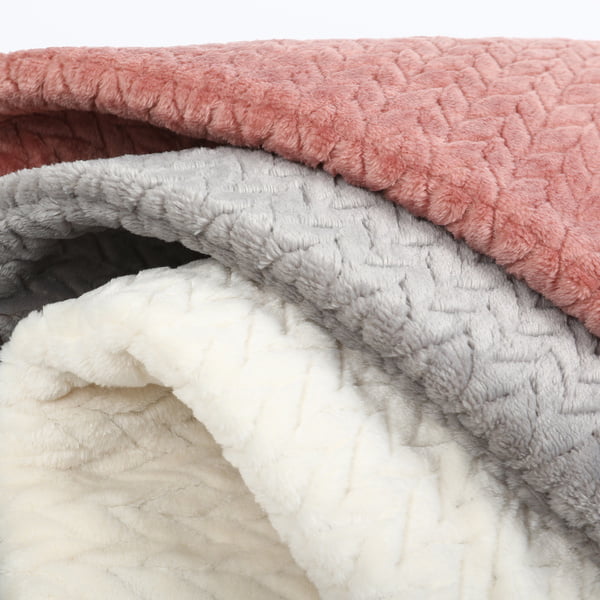
Fabric Name Does Not Equal Fabric Quality
A buyer may ask for “flannel electric blanket” and receive several prices. At first, all quotations seem to match the request. But the fabric can vary in important ways.
Key fabric variables include:
- GSM, or grams per square meter
- Pile height
- Softness
- Color consistency
- Shedding control
- Shrinkage performance
- Edge sewing strength
- Touch after washing or long storage
For electric blankets, fabric is not only about appearance. It affects user comfort, heat feeling, folding behavior, and perceived value.5 A blanket with a softer and heavier fabric may feel more premium. A lighter fabric may help a buyer reach a sharp retail price. Both choices can be valid, but they are not the same product.
Heating Components Also Matter
The heating system is a major cost area. Buyers may only compare wattage, but wattage alone does not explain heating performance or safety design.6
Important heating component differences may include:
| Component Area | Lower-Cost Option May Focus On | Higher-Control Option May Focus On |
|---|---|---|
| Heating wire | Basic structure | More stable resistance and insulation |
| Wire layout | Simple distribution | More even heat coverage |
| Sensor position | Minimum design need | Better temperature reading logic |
| Connector | Basic fit | Stronger connection and durability |
| Controller | Simple function | Better protection and user experience |
I do not say that every higher-cost component is always necessary. The right choice depends on the market, price point, and buyer requirement. However, buyers should know what is being changed when the price changes.
Small Material Changes Can Create Large Perception Differences
End users do not read factory cost sheets. They touch the product, use the controller, feel the heat, and judge the brand.
For example, a consumer may notice:
- The blanket feels thin.
- The heat is not even.
- The controller feels light or cheap.
- The edge stitching looks weak.
- The plug or connector feels loose.
- The packaging does not protect the product well.
These details can lead to complaints, returns, or poor reviews. For brand owners and wholesalers, this matters because one seasonal product can affect channel trust.
How I Suggest Buyers Compare Materials
I usually suggest a simple comparison method:
- Ask for material details, not only material names.
- Request samples from the same production plan, not only a showroom sample.
- Check fabric weight and hand feel.
- Open the controller sample and review the component plan with qualified professionals when needed.
- Compare packaging strength if the product will ship long distance.
- Confirm whether the quotation includes the same inspection and testing scope.
Material comparison should always connect back to risk. A lower material cost may be a smart choice for a promotion product. But if the buyer needs long-term brand trust in the UK, Europe, Japan, Canada, the US, or Nordic markets, then the product must match that expectation.
Why Do Certification and Compliance Change Electric Blankets Pricing?
Certification and compliance can look like paperwork, but they are not just labels. For electric heating products, market access, retailer checks, and importer responsibility often depend on documents, test plans, and component choices. This can change both product cost and supplier workload.
Certification and compliance affect electric blankets pricing because different destination markets may require different documents, tests, labels, and component standards. UL/FCC, PSE, CE, UKCA-related documentation, and other market-dependent requirements can influence testing cost, production control, and buyer responsibility.7
Compliance Is Market-Dependent
I work with buyers who sell to markets such as the United States, Japan, the United Kingdom, Europe, Canada, and Nordic countries. These markets do not always ask for the same documents.8 Also, requirements can change by product type, sales channel, voltage, plug, retailer policy, and importer role.
Common document areas may include:
- Electrical safety documentation
- EMC or radio-related documents where applicable
- Product labels and warning labels
- Instruction manual requirements
- Plug and cord compliance
- Material safety-related documents
- Factory inspection or retailer audit documents
- Test reports for specific standards
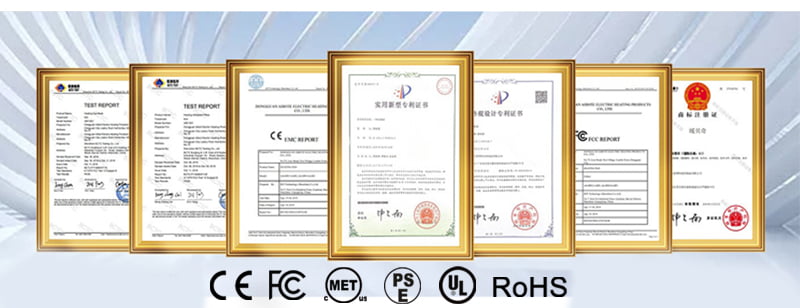
Our business context includes documentation such as FCC, UL reports, PSE, CE, and UKCA-related materials. However, I always tell buyers to verify the exact scope for their own destination market, product design, and retail channel. A certificate name alone is not enough. Buyers should check model coverage, validity, product match, and whether the document meets their importer or retailer needs.9
Why “Has Certificate” Is Not a Complete Answer
A supplier may say, “We have CE,” or “We have PSE.” This is a starting point, not the final answer.
Buyers should ask:
- Which exact model is covered?
- Does the certificate or report match the quoted product?
- Does it cover the controller, plug, and heating system used in this quotation?
- Is the rating label consistent with the document?
- Is the report accepted by the target retailer or importer?
- Are user manuals and warning labels included in the compliance package?
A cheaper quotation may exclude some document work. That does not automatically mean the product is bad. It may mean the buyer must handle more responsibility later. A higher quotation may include broader support, but buyers still need to verify it.
Compliance Can Influence Component Selection
For electric heating products, compliance is not only an office task. It can affect physical parts.10
For example, the supplier may need to choose:
- A different plug or cord
- A different controller housing material
- A different PCB design
- A different fuse or protection component
- A different label material
- A different instruction manual format
- A different packaging warning layout
Each change can influence price. It can also affect lead time.
Documentation Risk Can Hurt the Sales Channel
In my view, documentation risk is one of the most underestimated risks in B2B purchasing. If a shipment arrives and the buyer later finds that the document package does not meet the retailer request, the unit price saving may become small compared with the damage.
Possible problems include:
| Risk Area | Possible Result |
|---|---|
| Missing document | Retailer delays listing or receiving |
| Wrong model number | Importer requests re-check |
| Label mismatch | Goods need relabeling |
| Manual issue | Extra printing or rework |
| Test scope gap | Buyer needs new testing |
| Unclear responsibility | Dispute between buyer and supplier |
For this reason, I suggest buyers treat compliance as part of the quotation, not as an afterthought. A serious supplier should be able to explain what is included, what is not included, and what must be verified by the buyer’s local professional team.
How Can Controller and Safety Design Change the Cost of Electric Blankets?
The controller is small, but it has a large effect on the product. Many buyers compare only heat levels and timer hours. However, the real cost can sit inside the controller design, protection logic, sensor system, component grade, and long-term stability.
Controller and safety design change the cost of electric blankets because they influence temperature control, user experience, overheat protection, fault response, and compliance support. Two controllers may both show three heat levels, but their internal design, component quality, and testing requirements may be very different.
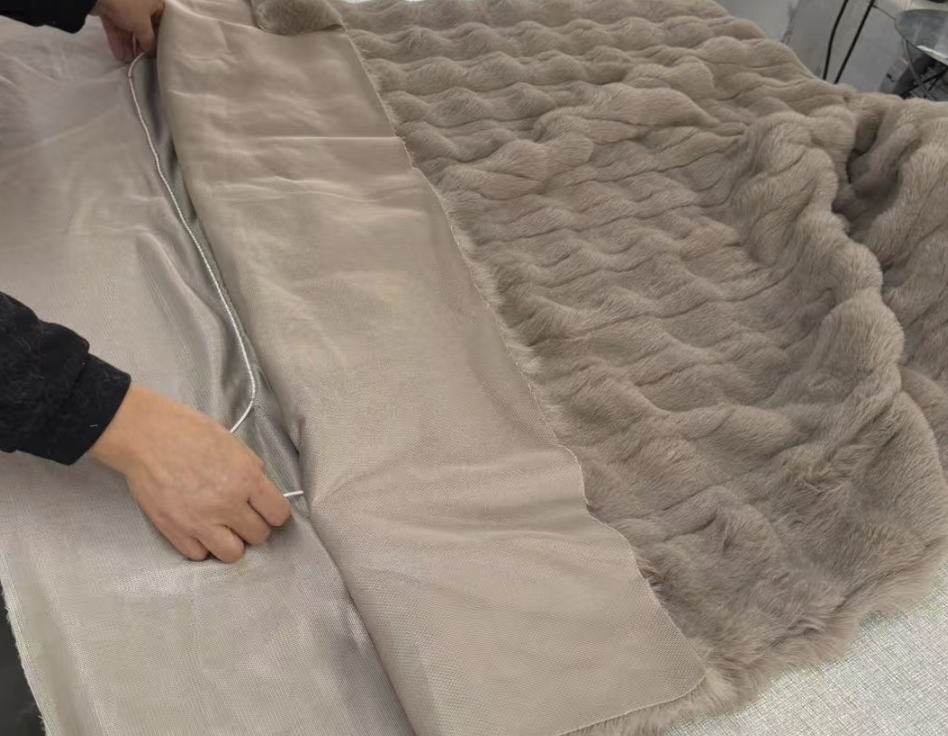
Same Heat Levels, Different Internal Design
A quotation may say:
- 3 heat settings
- 6 heat settings
- 9 heat settings
- Auto shut-off
- Timer function
- LED display
- Detachable controller
These visible functions are useful, but they are not the full design.
The internal design may differ in:
- PCB layout
- Relay or electronic control method
- Sensor accuracy
- Temperature cut-off logic
- Housing material
- Button life
- Display quality
- Wire connector strength
- Strain relief design
- Protection component selection
This is why two controllers with the same function list can have different costs.
Safety Design Is Part of Product Value
Electric heating products need careful evaluation because they combine fabric, electricity, heat, and human use.11 I do not present myself as a laboratory authority, and buyers should use qualified testing bodies or technical professionals for final market decisions. Still, from procurement work, I know that safety design is a major quotation variable.
Important safety-related areas may include:
- Overheat protection
- Temperature sensor placement
- Automatic shut-off
- Controller housing material
- Wire insulation
- Connector stability
- Power cord quality
- Instruction warnings
- Production inspection
- Final function testing
If a buyer only compares wattage, they may miss these differences.
User Experience Also Affects Returns
Safety is critical, but user experience also matters. A consumer may return the product if it feels hard to use or unstable.
Common user experience factors include:
| Feature | Buyer Question |
|---|---|
| Button design | Is it easy to press in winter? |
| Display | Can users read it clearly? |
| Heat-up feeling | Does it feel warm in a reasonable time? |
| Heat distribution | Are there cold areas? |
| Controller weight | Does it feel solid or weak? |
| Detachable design | Is it easy to connect and disconnect? |
| Manual | Can users understand the warnings and settings? |
For brand owners, the controller is often part of the brand impression. A weak controller can make the whole blanket feel cheap, even if the fabric is acceptable.
How I Suggest Buyers Review Controller Cost
I suggest a practical review process:
- Ask whether the controller design is standard or customized.
- Confirm the number of heat levels and timer logic.
- Check whether the controller matches the required market voltage.
- Review the documents linked to the controller and full blanket model.
- Ask what final testing is done before packing.
- Use qualified technical review when the project has higher risk.
A low-cost controller may be suitable for a price-sensitive project if it meets the market requirements. A higher-control controller may be needed for retailers, brand programs, or markets with stricter document review. The key is not to choose the most expensive option. The key is to choose the controller that matches the selling channel and risk level.
When Is a Low Price for Electric Blankets Reasonable or Risky?
A low price is not always a warning sign. Some suppliers may have real efficiency, stable material sourcing, better production planning, or a mature standard model. However, a low price can also mean reduced configuration, thinner inspection, weaker documents, or unclear after-sales responsibility.
A low price for electric blankets is reasonable when the supplier clearly explains the configuration, documents, testing scope, packaging, and responsibilities. It becomes risky when the price difference comes from unknown material changes, limited inspection, weak compliance support, or unclear after-sales terms.
Low Price Can Come from Real Efficiency
I do not like simple thinking such as “expensive is always better” or “cheap is always risky.” That is not how real sourcing works.
A supplier may offer a strong price because of:
- High production volume
- Stable material purchasing
- Mature product structure
- Standard packaging
- Efficient labor arrangement
- Good production planning
- Existing document support
- Lower development cost
- Strong supply chain control
In these cases, the buyer may receive a good product at a competitive price.
Low Price Can Also Transfer Risk
The problem starts when the buyer does not know what was removed to reach the lower price.
Possible hidden reductions include:
| Price Reduction Area | Possible Buyer Risk |
|---|---|
| Lighter fabric | Lower user satisfaction |
| Simpler controller | More complaints or weaker experience |
| Reduced testing | Higher chance of shipment issues |
| Basic packaging | Damage during transport |
| Limited documents | Retailer or importer delays |
| Lower inspection level | More quality variation |
| Unclear warranty support | Disputes after sales |
| Changed components | Document mismatch risk |
The unit price may look better, but the buyer may carry more risk after shipment.
Ask “What Is Included?” Before Asking “Can You Reduce?”
In quotation discussions, buyers often ask suppliers to reduce price first. I understand this because B2B buyers face margin pressure. But I usually suggest a better question:
“If we reduce the price, which part of the product or service will change?”
This question helps both sides stay clear. It also prevents misunderstanding.
Buyers can ask suppliers to separate:
- Product configuration
- Certification and document scope
- Packaging level
- Inspection standard
- Sample cost
- Testing cost
- Spare parts or after-sales support
- Lead time and production schedule
- Payment terms
- Warranty responsibility
This makes price comparison more professional.
A Better Way to Compare Quotations
I suggest buyers build a quotation comparison table.
| Comparison Item | Supplier A | Supplier B | Supplier C |
|---|---|---|---|
| Fabric GSM | |||
| Heating wire type | |||
| Controller model | |||
| Protection design | |||
| Certification documents | |||
| Target market match | |||
| Packaging details | |||
| Inspection standard | |||
| Lead time | |||
| After-sales terms |
This table makes the real price gap clearer. It also helps buyers explain the decision to their own manager, customer, or retail partner.
For traders, this can protect margin. For brand owners, this can protect reputation. For wholesalers, this can reduce seasonal trouble. The goal is not to avoid low prices. The goal is to avoid blind prices.
How Should B2B Buyers Compare Electric Blankets Suppliers?
Supplier comparison should not be only about unit price. For seasonal electric heating products, buyers need stable production, clear documents, correct packaging, reliable inspection, and honest communication. The best supplier is the one whose offer matches the buyer’s market and risk level.
B2B buyers should compare electric blankets suppliers by checking product configuration, compliance scope, sample consistency, testing plan, packaging strength, inspection process, production capacity, communication quality, and after-sales responsibility. A clear quotation reduces misunderstanding and helps buyers choose the right supplier for the target market.

Start with the Target Market
Before comparing suppliers, I always want to know the destination market. A blanket for Japan may need different documents, plug details, labels, and packaging from a blanket for the UK, Europe, the US, Canada, or Nordic countries.
Buyers should define:
- Country or region
- Voltage and plug type
- Sales channel
- Retailer document requirements
- Target retail price
- Expected order quantity
- Packaging language
- Manual language
- Warranty expectation
- Inspection requirement
Without this information, a supplier can only give a general price. That price may not be useful.
Compare Samples Carefully
Samples are important, but they must be controlled. A beautiful sample is not enough if mass production changes later.
Buyers should check:
- Is the sample made with the same fabric as the quotation?
- Is the controller the same model as mass production?
- Are labels and manuals included?
- Does the packaging match the final plan?
- Are the test documents linked to this sample model?
- Will the production sample be confirmed before mass shipment?
I have seen buyers focus strongly on the first sample but less on production consistency. For seasonal products, this can create trouble because there may be little time to correct issues before peak sales.
Review Factory Communication
Supplier communication is not a soft issue. It affects risk.
A good supplier should be able to explain:
- Why the price is higher or lower
- Which parts are included
- Which documents are available
- Which items need buyer verification
- What the lead time depends on
- How quality inspection is arranged
- What happens if a defect is reported
- Which changes will affect certification or documents
Clear communication helps buyers make decisions faster. It also reduces disputes after the order.
Use a Practical Supplier Scorecard
A simple scorecard can help buyers avoid emotional decisions.
| Evaluation Area | Weight | What to Check |
|---|---|---|
| Product match | 25% | Configuration, comfort, controller, packaging |
| Compliance support | 20% | Reports, certificates, labels, manuals |
| Quality control | 20% | Inspection process, sample control, final testing |
| Price competitiveness | 15% | Cost structure and value match |
| Delivery ability | 10% | Lead time, capacity, schedule control |
| Communication | 10% | Speed, clarity, responsibility |
This method is simple, but it works well for many B2B sourcing projects. It keeps the discussion balanced. Price is still important, but it is not the only factor.
Make the Quotation More Complete
A complete quotation should include more than one number. I suggest buyers request:
- Product size and fabric details
- Power, voltage, plug, and controller details
- Timer and heat setting details
- Heating wire and protection description
- Packaging information
- Carton size and loading quantity
- Compliance document list
- Sample lead time and mass production lead time
- MOQ
- Payment terms
- Inspection standard
- After-sales terms
When all suppliers quote the same scope, the comparison becomes fair. When the scope is different, the price is not directly comparable.
Frequently Asked Questions
Are higher-priced electric blankets always better?
No. A higher price does not always mean better quality. It may include stronger materials, more documents, better testing, or better packaging, but buyers should verify the details. The right choice depends on the target market, retail channel, compliance needs, and acceptable risk level.
Can I buy low-cost electric blankets safely?
Yes, low-cost options can be suitable if the configuration, safety design, documents, packaging, and inspection scope are clear. A low price becomes risky when important details are missing or when the buyer does not know what was reduced to reach that price.
Which documents should I check before importing electric blankets?
The document list depends on the destination market and sales channel. Buyers may need safety reports, EMC-related documents, plug and cord documents, labels, manuals, and market-specific files such as UL/FCC, PSE, CE, or UKCA-related documentation. Buyers should verify requirements with qualified professionals.
Why do two suppliers quote different prices for the same size and wattage?
Size and wattage are only basic specifications. The price may differ because of fabric weight, heating wire quality, controller design, protection method, certification scope, testing level, packaging, production consistency, and after-sales responsibility.
How can I compare electric blanket suppliers more fairly?
You can compare suppliers more fairly by using the same requirement sheet for all quotations. Include fabric details, controller model, documents, packaging, inspection standard, target market, and after-sales terms. Then compare total value, not only unit price.
Conclusion
Electric blankets with similar specifications can have very different prices because the visible specification sheet is only the first layer. Buyers also pay for hidden material choices, controller design, safety protection, compliance support, packaging, inspection, and long-term risk control. I suggest comparing quotations by total purchasing value, not only by unit price. If you are a trader, brand owner, or wholesaler, contact us with your target market and channel needs, and we can help you review the right configuration for your project.
-
"(PDF) A taxonomy of total cost of ownership models", https://www.academia.edu/21768893/A_taxonomy_of_total_cost_of_ownership_models. Research on total cost of ownership in purchasing treats acquisition price as only one element of procurement cost, alongside quality, supplier performance, transaction, inspection, and risk-related costs; this supports the cost-structure framing, although it does not quantify electric blanket prices specifically. Evidence role: general_support; source type: paper. Supports: A procurement or total-cost-of-ownership source should support the idea that unit price is only one part of purchasing cost and that quality, supplier performance, compliance, inspection, and risk can affect total cost.. Scope note: Contextual support for purchasing-cost logic rather than direct evidence on electric blanket quotations. ↩
-
"Electric Blanket Safety | Fire and Rescue", https://www.fairfaxcounty.gov/fire-ems/electric-blanket-safety. IEC 60335-2-17 covers safety requirements for blankets, pads, clothing, and similar flexible heating appliances, including construction and testing considerations beyond simple ratings; this supports the point that visible specification data do not fully describe the product, although the standard is not a pricing source. Evidence role: general_support; source type: institution. Supports: An electric blanket safety standard should show that construction details, heating elements, controls, abnormal-operation tests, and documentation are relevant to product evaluation.. Scope note: Supports technical relevance of hidden design factors, not the exact price difference between suppliers. ↩
-
"Your Heated Blanket Could Be Riskier Than You Think— ...", https://www.newsweek.com/your-heated-blanket-could-be-riskier-than-you-think-what-to-know-11417629. Standards for flexible electric heating appliances include requirements or tests related to temperature rise, abnormal operation, and protection against overheating, supporting the relevance of overheat protection as a safety feature; the standard does not imply that every advertised protection design performs equally. Evidence role: definition; source type: institution. Supports: An electric blanket or household appliance safety standard should support that temperature limitation, abnormal-operation behavior, and overheating controls are relevant safety considerations.. Scope note: Supports the importance of the feature, not the adequacy of any particular implementation. ↩
-
"Physical Testing Laboratory - Wilson College of Textiles", https://textiles.ncsu.edu/zte/physical-testing-laboratory/. Textile testing standards commonly distinguish fabrics by measurable properties such as mass per unit area, colorfastness, dimensional change, and other performance characteristics; this supports the claim that a fabric name alone does not establish fabric quality, although it does not address electric blankets specifically. Evidence role: definition; source type: institution. Supports: A textile standards or textile-testing source should support that fabrics are characterized by measurable properties such as mass per unit area, colorfastness, dimensional stability, and performance characteristics.. Scope note: Contextual textile evidence rather than electric-blanket-specific pricing evidence. ↩
-
"Comfort Evaluation of Wearable Functional Textiles - PMC - NIH", https://pmc.ncbi.nlm.nih.gov/articles/PMC8585350/. Research on textile comfort and fabric hand links material properties such as surface texture, thickness, weight, and thermal behavior to tactile comfort and perceived quality; this supports the mechanism described here, although the evidence is broader textile research rather than a direct study of electric blankets. Evidence role: mechanism; source type: paper. Supports: A textile comfort study should support that fabric properties such as weight, hand, surface texture, and thermal behavior affect tactile comfort and perceived quality.. Scope note: Contextual support from textile-comfort research, not direct proof for all electric blanket fabrics. ↩
-
"Electric blanket", https://en.wikipedia.org/wiki/Electric_blanket. Safety standards for flexible electric heating appliances evaluate construction, insulation, temperature control, and abnormal-operation behavior in addition to rated electrical input; this supports the statement that wattage alone does not determine heating performance or safety design, although it does not compare individual commercial models. Evidence role: mechanism; source type: institution. Supports: An appliance safety standard should show that safety evaluation involves temperature control, abnormal operation, construction, insulation, and protection mechanisms, not only rated power.. Scope note: Supports the technical principle, not specific supplier performance. ↩
-
"Act on Product Safety of Electrical Appliances and Materials", https://en.wikipedia.org/wiki/Act_on_Product_Safety_of_Electrical_Appliances_and_Materials. Government conformity-assessment guidance for regimes such as CE marking, UKCA marking, Japan's PSE system, and FCC equipment authorization describes market-specific documentation, labeling, testing, and responsible-party obligations; this supports the compliance-cost claim, although it does not calculate the cost impact for electric blankets. Evidence role: general_support; source type: government. Supports: Government guidance should support that CE, UKCA, PSE, FCC, and related regimes involve market-specific conformity, documentation, labeling, and importer or manufacturer responsibilities.. Scope note: Supports regulatory relevance and responsibilities, not precise cost amounts. ↩
-
"A Guide to United States Electrical and Electronic ...", https://nvlpubs.nist.gov/nistpubs/ir/2017/NIST.IR.8118r1.pdf. Official product-compliance guidance in major markets assigns different conformity, labeling, technical-file, test-report, and responsible-party requirements to electrical products; this supports the statement that document packages vary by destination market, although requirements still depend on the exact product design and sales channel. Evidence role: historical_context; source type: government. Supports: Official regulatory sources should show that electrical products are subject to jurisdiction-specific conformity, labeling, documentation, and responsible-party requirements.. Scope note: Contextual regulatory support; exact documents must be verified for the specific model and jurisdiction. ↩
-
"Conformity Assessment of Medical Devices - PMC - NIH", https://pmc.ncbi.nlm.nih.gov/articles/PMC12821529/. Conformity-assessment guidance treats certificates and test reports as scope-limited documents tied to specified products, models, standards, and conditions of use; this supports the need to verify model coverage and product match, although retailer acceptance may impose additional private requirements. Evidence role: expert_consensus; source type: institution. Supports: A conformity-assessment or certification-body source should support that certificates and test reports have defined scopes and must correspond to the specific product or model being supplied.. Scope note: Supports certification-scope principles, not every retailer's acceptance criteria. ↩
-
"1926.403 - General requirements.", http://www.osha.gov/laws-regs/regulations/standardnumber/1926/1926.403. Household electrical appliance safety standards address construction, components, supply cords, insulation, markings, and instructions, showing that compliance can affect physical product design rather than only paperwork; this is contextual support and does not identify which components a specific electric blanket must change. Evidence role: mechanism; source type: institution. Supports: A household appliance safety standard should show that compliance covers construction, components, cords, markings, and instructions, which can require physical design choices.. Scope note: General mechanism from appliance standards; exact component changes depend on the target standard and model. ↩
-
"CPSC Warns Consumers to Stop Using Melinora Electric ...", https://www.cpsc.gov/Warnings/2026/CPSC-Warns-Consumers-to-Stop-Using-Melinora-Electric-Heated-Blankets-Immediately-Due-to-Risk-of-Serious-Injury-from-Burn-and-Fire-Hazards. Consumer safety agencies identify electric blankets and similar heating products as requiring precautions because overheating, damaged wiring, or improper use can create burn, fire, or electrical hazards; this supports the need for careful evaluation, although it does not assess any specific supplier's product. Evidence role: expert_consensus; source type: government. Supports: A consumer safety agency or government source should support that electric blankets and similar heating products can present fire, burn, or electrical risks if improperly designed, used, or maintained.. Scope note: General safety-context evidence, not a product-specific hazard finding. ↩